
close
Choose Your Site
Global
Social Media


Views: 0 Author: Site Editor Publish Time: 2026-02-09 Origin: Site


Ever wondered how Embroidery Machines differ from Sewing Machines? The right choice can transform your production process. In this article, we will explore the functional differences, cost implications, and design capabilities of both machines.
Sewing Machines and Embroidery Machines may appear similar at first glance, but they have distinct functionalities tailored to different tasks in the textile industry.
● Sewing Machines: These machines are built for garment construction and basic stitching tasks. Their primary function is to join pieces of fabric together.
○ Used for seams, hemming, and basic repairs.
○ Perfect for seamstresses or anyone focused on clothing creation or home décor projects.
○ Generally features straight stitches, zigzag stitches, and some decorative stitches for more creativity.
● Embroidery Machines: On the other hand, embroidery machines are designed to create intricate and decorative designs on fabrics.
○ Qihong Electro-Mechanical specializes in providing high-end embroidery machines that are equipped with multi-needle capabilities.
○ These machines allow users to produce multi-color, detailed designs, including logos, monograms, and other artistic patterns.
○ Ideal for personalization, branding, and custom embroidery on a larger scale.
The method of fabric handling and stitching is where Sewing Machines and Embroidery Machines truly diverge.
● Sewing Machines:
○ Operate using linear motion.
○ Feed dogs guide the fabric as it moves under a flat presser foot.
○ This design is best for basic stitching tasks like joining fabric, creating seams, and hemming.
○ Speed: Faster for basic tasks, making them efficient for garment assembly.
● Embroidery Machines:
○ Multi-directional stitching is the key feature.
○ Fabric is held in place with a hoop, which stabilizes it for complex designs.
○ The needle moves in all directions—forward, backward, sideways, and even diagonally—to create detailed patterns.
○ Qihong's embroidery machines feature advanced control systems, automating the stitching process and allowing for precise multi-color stitching.
Advantages of Embroidery Machines:
● Multi-directional stitching allows for intricate designs.
● Automated stitching eliminates the need for manual thread changes.
● Advanced controls ensure high-quality results even for complex patterns.
Embroidery machines like Qihong's models are built to handle large-scale and highly detailed embroidery projects with increased efficiency.
When it comes to speed and efficiency, both Sewing Machines and Embroidery Machines have their unique advantages, depending on the tasks at hand.
● Sewing Machines: These machines are faster for basic stitching tasks. For instance, when performing simple tasks like straight stitching, seams, or basic garment repairs, sewing machines can handle jobs with quick turnaround times. Their efficiency in handling straight and zigzag stitches makes them perfect for garment construction and routine tasks.
● Embroidery Machines: While Qihong Electro-Mechanical’s embroidery machines operate at slower speeds (around 800-1000 stitches per minute), they shine in high-quality design creation. These machines excel at producing multi-colored, detailed patterns with great precision. Their slower pace allows for complex embroidery while ensuring the quality of the designs is not compromised, even when working on high-volume orders.
Key Differences in Speed:
● Sewing Machines: Best for fast, repetitive tasks.
● Embroidery Machines: Designed for precision and multi-color designs, though at a lower speed than sewing machines.
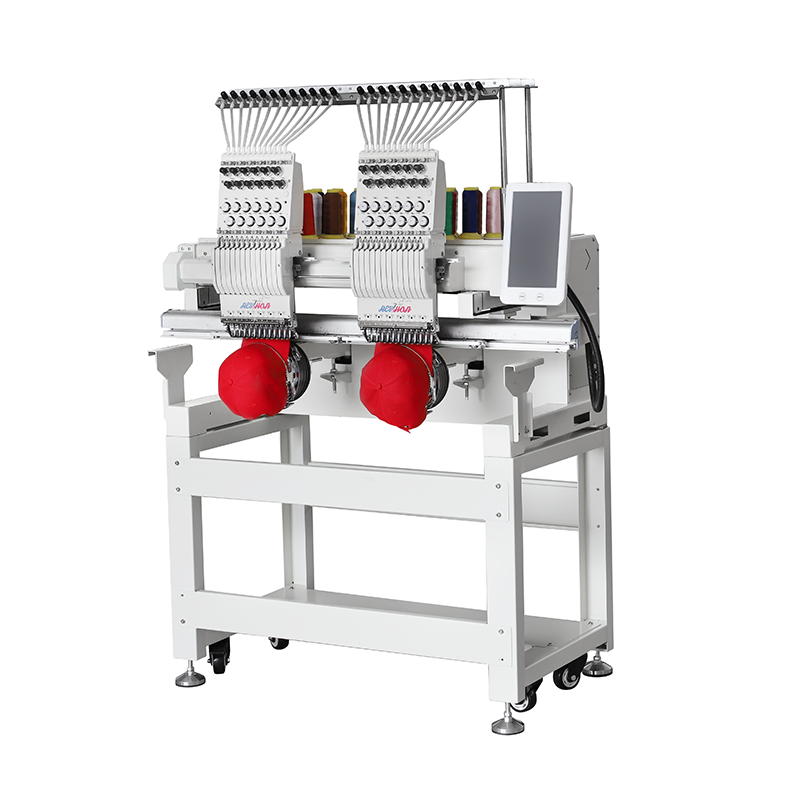
Another area where Sewing Machines and Embroidery Machines differ greatly is in needle and thread management. This is crucial for determining how complex a design can be and how quickly a machine can complete a job.
● Sewing Machines: Most sewing machines utilize one needle and require manual threading. This makes them suitable for simpler tasks where only single-color threads are needed. Although they are efficient at basic stitching, Sewing Machines do not offer the flexibility required for complex designs that involve multiple colors or intricate patterns.
● Embroidery Machines: In contrast, Qihong’s embroidery machines are designed with multi-needle systems. This allows the machine to automatically change colors during the embroidery process without requiring manual intervention. With automatic color changes, Qihong’s machines can handle multiple threads simultaneously, which is essential for creating intricate, multi-color designs. These machines are ideal for tasks that require precision and flexibility in thread handling, enabling the production of complex logos, monograms, and other artistic patterns.
Embroidery Machines Needle Management Benefits:
● Multi-needle systems enable automatic color switching.
● Ability to manage multiple threads without manual input.
● Ideal for complex, multi-color designs.
Embroidery Machines also offer a broader range of thread types and fabric compatibility, making them more versatile for intricate design work.
● Sewing Machines: Limited to basic cotton threads or standard polyester threads for simpler tasks. The feed dogs and presser foot mechanism can only accommodate certain types of fabric that are stable under tension.
● Embroidery Machines: These machines are designed to handle a variety of fabrics and thread types. Whether it’s lightweight fabrics like cotton or heavier materials like denim, Qihong’s embroidery machines ensure consistent results. Additionally, they can work with specialty threads such as metallic threads or glitter threads, making them perfect for creative and premium design projects.
Feature | Sewing Machines | Embroidery Machines |
Needle Type | Single needle | Multi-needle system |
Thread Management | Manual threading | Automatic color change and multi-thread handling |
Fabric Compatibility | Basic fabrics, light to medium weight | Works with a wide range of fabrics, including heavy-duty materials |
Thread Types | Standard cotton/polyester threads | Metallic, glitter, and specialty threads |
Sewing Machines and Embroidery Machines each have their strengths when it comes to design flexibility and precision.
● Sewing Machines are limited to pre-set stitch types and are primarily used for basic garment assembly. They are highly precise for tasks like straight stitching and simple seams, but lack the flexibility to create intricate or multi-color patterns.
● Embroidery Machines, especially Qihong Electro-Mechanical’s models, offer advanced design capabilities. These machines allow users to program custom patterns using specialized software, providing the flexibility to create detailed, multi-color designs. The precision with which these machines handle intricate patterns, such as logos and personalized embroidery, makes them ideal for commercial applications.
Embroidery Machines excel in creating complex designs that Sewing Machines simply cannot achieve due to their limited stitch options.
Fabric handling is another key area where Sewing Machines and Embroidery Machines differ significantly.
● Sewing Machines rely on feed dogs to move the fabric under a flat presser foot, making them perfect for straight stitching tasks. However, this limits their ability to handle complex designs or multi-directional stitching.
● Embroidery Machines like Qihong’s models use hoops to stabilize the fabric during the embroidery process. This ensures that the fabric remains taut and in place, allowing the needle to move in multiple directions (e.g., sideways, diagonally) to create detailed and multi-color designs with high precision. This makes Embroidery Machines ideal for intricate, high-quality patterns.
Sewing Machines have been a staple in garment production for decades, providing essential functionality for a wide range of tasks.
● Garment Construction: Sewing machines are perfect for assembling clothing and other fabric items. From creating simple shirts and pants to more elaborate home décor pieces like curtains and bed linens, sewing machines are the go-to tool for these tasks.
● Seams and Hems: Whether you're finishing edges or stitching fabric pieces together, sewing machines excel at creating durable seams and hems. They handle basic tasks like stitching the edges of clothing and finishing raw fabric edges with ease.
● Basic Repairs: Sewing machines are commonly used for mending torn clothes, fixing hems, and other small repairs that require quick stitching.
These tasks highlight why Sewing Machines are ideal for basic garment production and repair tasks, where the focus is on speed and functionality rather than design or complex patterns.
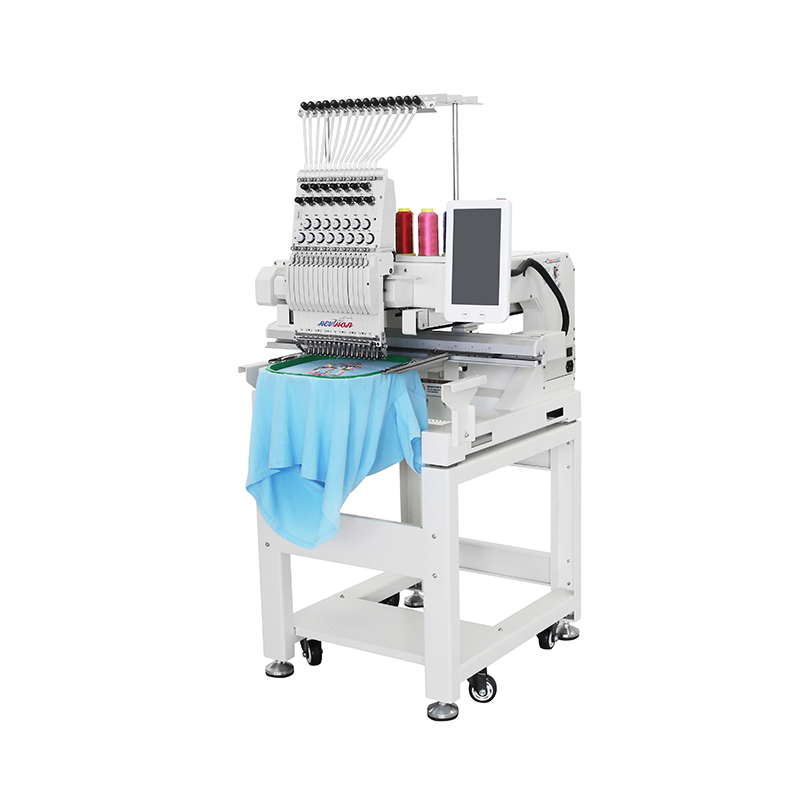
Embroidery Machines are built for intricate, creative design work that adds aesthetic value to fabric. When it comes to decorative stitching, Qihong Electro-Mechanical’s industrial embroidery machines stand out for their versatility and precision in meeting modern business needs.
● Branding & Personalization: One of the main uses of embroidery machines is for personalizing products. Qihong’s industrial embroidery machines are ideal for producing corporate logos, names, and designs on products like uniforms, corporate apparel, and promotional merchandise. These machines create high-quality, consistent branding for businesses in the fashion and promotional product industries.
● Artistic Embroidery: Beyond just logos, embroidery machines allow for the creation of complex, artistic patterns. These include styles like appliqué, cross-stitch, lace designs, and even 3D effects. Whether it's for customized gifts, fashion pieces, or decorative fabric, embroidery machines provide the creative freedom to express intricate designs.
● Special Techniques: Embroidery machines can also handle special techniques like cutwork, foam embroidery, and textured stitching. These require high precision, and Qihong's embroidery machines deliver exceptional accuracy, ensuring beautiful, professional-quality results on a variety of fabrics.
Key Applications Comparison:
Application | Sewing Machines | Embroidery Machines |
Garment Construction | Basic tasks such as seams and hems | Not applicable |
Branding & Personalization | Not applicable | Logos, names, and branding on apparel |
Artistic Embroidery | Not applicable | Appliqué, cross-stitch, 3D effects |
Special Techniques | Not applicable | Cutwork, foam embroidery, and textures |
When comparing Sewing Machines to Embroidery Machines, there is a significant price gap, primarily due to the capabilities and complexity of each machine.
● Sewing Machines are generally more affordable, starting at approximately $100 for basic, entry-level models. These machines are suitable for home use and simple garment construction. Higher-end models can cost up to $1,000 depending on their features, but they still remain relatively budget-friendly for personal or small business use.
● Embroidery Machines, especially Qihong Electro-Mechanical’s models, come with a higher price tag. Prices for basic embroidery machines start around $500, but can escalate up to $10,000+ for advanced commercial-grade models. These machines are equipped with specialized features, such as multi-needle systems and automatic thread changes, which are essential for high-quality, high-volume production. The increased cost reflects the advanced functionality and customization capabilities they provide for businesses needing intricate, large-scale designs.
Feature | Sewing Machines | Embroidery Machines |
Entry-Level Price | ~$100 | ~$500 |
Advanced Models | Up to ~$1,000 | $500 – $10,000+ |
Primary Use | Garment construction, basic repairs | Branding, personalization, and custom designs |
Cost vs. Features | Lower cost for simpler tasks | Higher cost for advanced features like multi-needle systems |
One of the key differences between Sewing Machines and Embroidery Machines is their customization and design flexibility. This has a direct impact on their overall value and cost.
● Sewing Machines: These machines offer limited customization options. They are primarily designed for straight stitching and basic seam creation, with pre-set stitch types built into the machine. While some advanced models offer decorative stitches, the overall design capability remains basic compared to embroidery machines. Sewing machines are great for functional tasks, but their design creativity is minimal.
● Embroidery Machines: Qihong’s embroidery machines, however, offer much greater design flexibility. Users can create highly detailed, multi-colored patterns using specialized embroidery software. This software allows for the creation of custom designs, whether it's a company logo, a personalized monogram, or an intricate artistic pattern. Embroidery Machines can handle complex stitching, such as 3D effects, appliqué, and lace designs, making them ideal for businesses or individuals who want to add unique details to their products.
Embroidery Machines Advantages:
● Customizable designs for intricate patterns.
● Multi-thread and multi-color capabilities for detailed artwork.
● Software integration allows for full design control.
The article compares Industrial Embroidery Machines with Traditional Sewing Machines, highlighting their functional differences. Sewing Machines are ideal for basic garment construction, hems, and seams, whereas Embroidery Machines, especially Qihong Electro-Mechanical's models, excel at creating intricate, multi-color designs.
A: Embroidery Machines are designed for intricate designs and multi-color stitching, while Sewing Machines handle basic garment construction and simple seams.
A: Embroidery Machines, like those from Qihong, allow for complex designs, custom logos, and high precision, ideal for personalized products.
A: Embroidery Machines can start from $500, with advanced models reaching $10,000+, offering extensive design capabilities for commercial use.
A: Embroidery Machines are used for creating customized logos, corporate apparel, and promotional merchandise, providing precision and creativity.
A: Yes, Qihong's embroidery machines provide high efficiency, precise designs, and multi-thread capabilities, offering great value for businesses focused on branding and customization.


