
close
Choose Your Site
Global
Social Media


Views: 0 Author: Site Editor Publish Time: 2025-06-04 Origin: Site


Creating embroidered patches has become an art that combines traditional craftsmanship with modern technology. With the advent of advanced embroidery machines, the process has been revolutionized, allowing for intricate designs and efficient production. This article delves into the methodology of crafting embroidered patches using an embroidery machine, providing a comprehensive guide for enthusiasts and professionals alike.
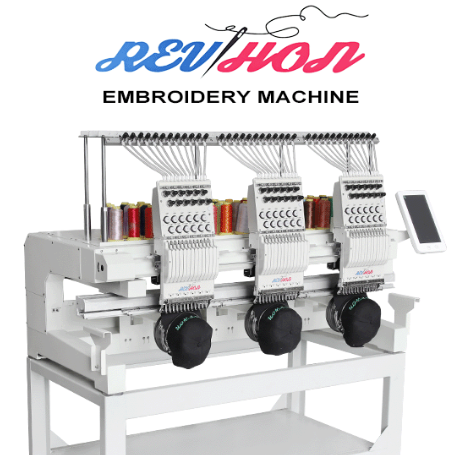
Embroidery machines have evolved over the years, transitioning from manual operations to sophisticated computerized systems. These machines are designed to replicate designs onto fabrics with high precision. The technology behind them integrates software and hardware to execute complex patterns seamlessly. Modern embroidery machines, especially the single head embroidery machine, offer versatility and efficiency, making them ideal for producing customized patches.
Embroidery machines vary based on their functionality and capacity. They can be categorized into:
Single Head Machines: Ideal for small businesses and individual projects. They are compact and versatile.
Multi-Head Machines: Designed for mass production, allowing multiple patterns to be embroidered simultaneously.
Before embarking on the patch-making process, gathering the necessary materials is crucial. These include:
| Material/Tool | Purpose |
|---|---|
| Embroidery Machine | To execute the embroidery designs. |
| Embroidery Threads | For stitching the design onto the fabric. |
| Fabric Base | The material on which the patch will be made. |
| Stabilizers | To provide support and prevent fabric distortion. |
| Backing Materials | For reinforcing the patch and adding durability. |
Creating a design is the initial step in making embroidered patches. This involves conceptualizing the artwork and digitizing it for the embroidery machine.
Begin by sketching the desired design. Consider the patch's purpose, target audience, and any specific symbols or text that should be included. Simplicity is key, as overly intricate designs might be challenging to embroider.
Digitization converts the artwork into a format that the embroidery machine can interpret. This process involves:
Scanning or Uploading: Transfer the design into a computer.
Using Digitizing Software: Programs like Wilcom or Pulse can be utilized to map out stitch patterns.
Setting Stitch Parameters: Define stitch types, directions, and densities.
Previewing the Design: Simulate the embroidery to check for errors.
Proper setup ensures the machine operates smoothly and produces high-quality patches.
Calibration involves adjusting the machine settings to match the project's requirements. Key steps include:
Threading the Machine: Load the appropriate thread colors according to the design.
Adjusting Tension: Ensure thread tension is neither too tight nor too loose.
Setting Speed: Select an optimal speed to balance efficiency and precision.
Hooping secures the fabric and stabilizer in place. The process involves:
Selecting the Hoop: Choose a hoop size that accommodates the design with minimal excess space.
Placing the Stabilizer: Position it beneath the fabric to add support.
Clamping the Hoop: Ensure the fabric is taut without stretching.
With everything set, it's time to start the embroidery.
Transfer the digitized design to the machine. This can be done via USB, direct connection, or memory card. After loading, preview the design on the machine's interface to confirm it's correct.
While the machine embroiders, monitor the process to address any issues promptly. Watch for thread breaks, needle problems, or fabric shifts. Staying attentive ensures the final product meets quality standards.
Once the embroidery is complete, finishing steps enhance the patch's appearance and durability.
Detach the fabric from the hoop carefully. Trim any loose threads and remove excess stabilizer. If a heat-sensitive stabilizer was used, apply heat to dissolve it.
For patches that will be attached to garments, adding a backing enhances durability. Options include:
Iron-On Backing: Allows the patch to be adhered with heat.
Velcro Backing: Provides removability.
Plastic Backing: Adds rigidity.
Embroidered patches serve various purposes across different industries.
In fashion, patches add aesthetic value to clothing items. Designers use them to make statements or embellish garments. The versatility allows for customization, catering to individual preferences.
Companies utilize patches for branding on uniforms or promotional materials. It reinforces brand identity and fosters a sense of unity among employees.
Patches represent membership and achievements. Whether in sports teams, scouting groups, or motorcycle clubs, they signify belonging and accomplishments.
Enhancing the quality and appeal of embroidered patches involves mastering advanced techniques.
Appliqué incorporates pieces of fabric into the design, adding texture and depth. It reduces stitch count and offers a unique visual effect.
3D puff embroidery uses foam under the stitches to create a raised effect. It's popular for lettering and logos, adding dimension to the patch.
Different thread types like metallic, glow-in-the-dark, or variegated threads enhance the design's uniqueness. They introduce special effects that standard threads can't achieve.
Proper care ensures longevity and preserves the patch's appearance.
Wash embroidered items with mild detergent on a gentle cycle. Avoid harsh chemicals that might damage the threads or fabric.
Store patches in a cool, dry place away from direct sunlight. This prevents fading and preserves the colors vibrancy.
Advancements in technology have significantly impacted the embroidery industry.
These machines have streamlined the embroidery process, offering precision and speed. They allow for complex designs to be executed flawlessly.
Modern software provides advanced tools for design creation and editing. Features like auto-digitizing and stitch simulation enhance efficiency.
Sustainability is becoming increasingly important in manufacturing practices.
Using organic fabrics and threads reduces environmental impact. Biodegradable stabilizers and backings are also available.
Modern machines are designed to consume less energy, contributing to sustainability efforts.
Selecting the appropriate machine is crucial for success in patch making.
Identify the volume and complexity of work anticipated. For beginners or small businesses, a single head embroidery machine might suffice.
Consider factors like stitch speed, hoop sizes, and compatibility with software. Machines with user-friendly interfaces reduce the learning curve.
Embroidery machines have transformed the way patches are created, blending artistry with technology. Understanding the nuances of the process empowers creators to produce high-quality embroidered patches. By selecting the right equipment and mastering techniques, anyone can embark on this rewarding craft. For those interested in expanding their skills or business, investing in a reliable embroidery machine is a pivotal step toward success.
1. What types of fabrics are best for making embroidered patches?
Sturdy fabrics like twill, felt, or canvas are ideal due to their durability and ability to hold stitches well.
2. Can I use any embroidery machine to make patches?
While most machines can embroider, machines specifically designed for garment embroidery offer features that make patch-making more efficient.
3. How do I choose the right stabilizer for my patch?
The choice depends on the fabric and design complexity. Cut-away stabilizers are good for heavy fabrics, while tear-away stabilizers work for lighter applications.
4. What is the importance of thread tension in embroidery?
Proper thread tension ensures even stitching and prevents thread breaks, affecting the quality of the embroidery.
5. How can I prevent my fabric from puckering during embroidery?
Using the correct stabilizer, ensuring the fabric is hooped tightly, and adjusting machine settings can minimize puckering.
6. Is it necessary to digitize my designs?
Yes, digitizing translates your design into a language the machine understands, mapping out the stitch path for accurate embroidery.
7. Where can I find quality embroidery machines?
Companies like Zhuji Qihong Electro-Mechanical Co., Ltd. offer a range of high-quality machines suitable for various needs.


