
close
Choose Your Site
Global
Social Media


Views: 0 Author: Site Editor Publish Time: 2025-12-23 Origin: Site


Regular embroidery machine maintenance is essential to keep your machine running smoothly and ensure high-quality results. Just like any other piece of equipment, embroidery machines require routine care to function at their best. Proper maintenance helps extend the life of the machine, maintains consistent stitching quality, and prevents costly repairs. Neglecting maintenance can lead to common issues such as thread breaks, uneven stitching, machine jams, and premature wear on critical components like the needle, bobbin, and motor. By investing time in regular cleaning, oiling, and minor adjustments, you can avoid these problems, maintain optimal performance, and ensure your embroidery projects turn out perfectly every time.
Regular cleaning is essential to maintain the performance of your embroidery machine. After each use, dusting and wiping down the machine helps prevent the accumulation of debris that can affect its functionality. Focus on cleaning key areas, including:
Needle area: Wipe down the needle to remove thread residue and dust.
Bobbin area: Remove any lint or threads around the bobbin case to avoid interference with stitching.
Threading system: Clean the threading paths, tension discs, and thread guides to ensure smooth feeding of the thread.
Oiling your embroidery machine is crucial for keeping its moving parts well-lubricated and functioning smoothly. Regular oiling helps reduce wear and prevents overheating. Here's how to maintain proper lubrication:
Frequency: Depending on your usage, oil the machine every 8-10 hours of operation or as per your machine’s user manual.
Lubrication points: Focus on oiling the machine’s needle bar, hook, and other moving parts.
Choosing the right oil: Use a high-quality, machine-specific oil to avoid damage. Always check your machine's manual for the recommended type of oil for best results.
Thread build-up and lint can accumulate in the machine’s moving parts, causing jams or uneven stitching. To prevent this:
Inspect regularly: After every few hours of use, check the bobbin area, needle plate, and other parts where thread may collect.
Clean with care: Use a soft brush or a vacuum with a small nozzle to gently remove lint and thread debris from these areas.
Avoid clogging: Ensure the bobbin case is free from thread and lint to allow smooth rotation and prevent machine malfunctions.
Proper needle and thread care are essential for ensuring smooth operation and high-quality results. Here’s how to maintain them:
When to replace needles: Replace the needle after every 8-10 hours of use or whenever you notice dullness, bending, or snagging. A worn needle can cause thread breaks, skipped stitches, and damage to fabrics.
How to replace needles: Always turn off the machine before replacing the needle. Use the correct needle size and type for your fabric and project. Install the needle with the flat side facing the back and ensure it’s tightened securely.
Choosing the right needle and thread: Select needles based on the fabric and design type. For example, use ballpoint needles for knits and jerseys, and universal needles for woven fabrics. Match the thread type (e.g., cotton, polyester, or rayon) to the fabric and design requirements to ensure smooth stitching and durability.
Maintaining proper thread tension is crucial for preventing thread breaks and achieving even, professional stitching.
How to check tension: Regularly check the top and bobbin tension by stitching a sample and inspecting the results. Uneven tension can lead to loose or tight stitches, causing problems with design accuracy.
How to adjust tension: Adjust the top tension via the dial or knob on your machine, and adjust the bobbin tension using the screw in the bobbin case. Ensure that the tension is neither too tight nor too loose by testing with scrap fabric and adjusting gradually.
Regular inspection of the bobbin and hook mechanism helps ensure smooth operation and prevents costly damage.
Bobbin case inspection: Remove the bobbin case and check for any dirt, thread build-up, or damage. Clean the case and ensure the bobbin is properly wound and inserted.
Hook mechanism inspection: Inspect the hook system, which is responsible for catching the thread from the needle. Ensure there is no wear or misalignment that could cause jams or skipped stitches. Clean the hook area and lubricate it if necessary to keep it running smoothly.
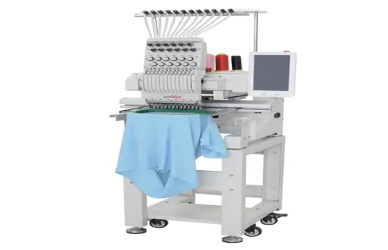
Thread Tension Problems
Symptoms: Uneven stitching, loops, or puckered fabric.
Cause: Incorrect top or bobbin tension.
Solution: Adjust the top tension using the dial and bobbin tension with the screw. Test with scrap fabric and make small adjustments until the stitches are even.
Thread Breaks
Symptoms: Frequent thread breaks during stitching.
Cause: Incorrect threading, dull needles, poor-quality thread, or improper tension.
Solution: Ensure the machine is threaded correctly, replace dull needles, and use high-quality thread. Adjust the tension as needed and test with scrap fabric.
Uneven Stitching
Symptoms: Irregular or skipped stitches.
Cause: Worn needles, incorrect machine settings, or lint build-up.
Solution: Replace worn-out needles, check machine settings, and clean the machine, especially the bobbin area, to remove any debris.
If basic troubleshooting doesn’t resolve the issue, it's time to seek professional repair:
Persistent issues: If problems like tension or thread breaks continue after adjustments.
Machine failure: If the machine isn’t operating, stitching incorrectly, or making unusual noises.
Internal damage: For worn or misaligned parts, such as the hook system or motor, which require professional attention.
To extend the life of your embroidery machine, make regular maintenance a habit. Clean the machine after each use, paying special attention to the needle area, bobbin case, and threading system. Always use high-quality, compatible thread and needles, and replace them regularly. Oiling the machine as per the manufacturer’s recommendations helps keep the moving parts lubricated and reduces wear. Additionally, checking the tension, inspecting the hook system, and removing lint and thread build-up regularly will help prevent common issues.
Even with regular care, professional maintenance is essential to keep your machine in top condition. Schedule servicing according to your machine’s usage (usually every 6 to 12 months). A professional technician can check for internal wear, recalibrate settings, and ensure that all components are working efficiently. Regular servicing can prevent major breakdowns, improve machine longevity, and keep stitching quality consistent.
When not in use, store your embroidery machine in a clean, dry area away from dust and humidity. Cover the machine with a protective cloth or case to shield it from dirt, and avoid storing it in places with extreme temperatures. If storing the machine for an extended period, remove the needle and unplug it to prevent electrical issues. Proper storage ensures that your machine remains in excellent condition and is ready for use when needed.
The frequency of cleaning depends on how often you use the embroidery machine. For regular use, it's recommended to clean the machine after every few hours of operation, especially the needle area, bobbin case, and threading system. If you use the machine less frequently, clean it at least once a week. Regular cleaning prevents thread build-up, lint accumulation, and ensures smooth operation.
Always use machine-specific oil that is recommended in your embroidery machine's manual. Typically, a light sewing machine oil, which is clear and does not contain additives, is best. Apply oil only to the designated areas such as the needle bar and hook mechanism. Avoid over-oiling, as excess oil can attract dust and lint.
Frequent thread breakage can result from several issues:
Needle problems: Ensure you’re using the correct needle for your fabric and replace it regularly.
Tension issues: Check the top and bobbin tension and adjust as needed to ensure it’s not too tight or too loose.
Thread quality: Use high-quality, compatible thread and avoid using old or damaged thread.
Threading issues: Make sure the machine is threaded correctly, following the path in the manual. Clean the threading path if necessary to prevent jams.
To prevent overheating, ensure proper ventilation around the machine and avoid overworking it for long hours without breaks. If the machine has a cooling fan, make sure it's working and not blocked by dust or lint. Regularly clean the ventilation areas and avoid running the machine on full power continuously. Following the manufacturer’s recommended usage times and allowing the machine to cool down during long sessions can also help prevent overheating.
Proper embroidery machine maintenance is essential for ensuring consistent quality and performance over time. By regularly cleaning, oiling, and inspecting key components, you can prevent common issues such as thread breaks, uneven stitching, and mechanical failures, all of which can impact the quality of your work. Developing a routine maintenance schedule not only helps avoid costly repairs but also extends the lifespan of your machine, allowing it to run smoothly for years. Whether you’re a hobbyist or a business owner, investing time in regular upkeep ensures that your embroidery machine continues to deliver high-quality results and operates at peak efficiency, making it a valuable asset for your projects.


