
close
Choose Your Site
Global
Social Media


Views: 0 Author: Site Editor Publish Time: 2025-12-29 Origin: Site


Over the years, embroidery machines have evolved significantly, driven by technological advancements that have transformed the embroidery industry. From basic, manual models to the highly sophisticated, automated systems of today, these machines have become essential tools for both hobbyists and businesses. In 2025, embroidery machines are not just about stitching—they’re about integration with smart technologies, sustainability, and offering greater customization than ever before. As the demand for personalized, high-quality embroidery continues to rise, staying updated with the latest trends in embroidery machines is crucial for those looking to remain competitive and efficient. This article explores the key trends in embroidery machines for 2025, highlighting innovations that will shape the industry in the coming years.
One of the key advancements in embroidery machines is the integration of automated color-changing systems. These systems allow the machine to switch thread colors automatically based on preset design parameters, eliminating the need for manual color changes and reducing the chances of mismatched hues or timing errors. This innovation saves significant time, particularly in high-volume production environments, as it minimizes production interruptions and streamlines the continuous embroidery process. By automating such a crucial task, users can focus on more complex aspects of the embroidery process like design refinement and quality control, improving overall productivity and output consistency.
Another major development is the introduction of built-in design libraries in embroidery machines. These machines come pre-loaded with a wide variety of designs, making it easier to start projects right away. Users can quickly select from a range of patterns for customization or personalization, without the need for external software or design files. Some models even allow for easy access to additional design libraries via Wi-Fi or cloud services, ensuring that designers always have fresh options at their fingertips. This feature is especially beneficial for those who need quick turnarounds on custom embroidery work.
The integration of apps and Wi-Fi capabilities has made remote control and monitoring of embroidery machines a reality. Through these features, users can control their machines from a smartphone or tablet, making real-time adjustments without needing to be physically present at the machine. Whether it’s changing settings, monitoring progress, or troubleshooting, these smart features provide a level of flexibility that was previously unavailable. Remote monitoring ensures that users can oversee multiple machines from a distance, saving time and making production more efficient, especially in larger setups or multi-machine environments.
As sustainability becomes a growing concern in all industries, embroidery machines are increasingly being designed with energy-efficient features. These machines are engineered to consume less power while still delivering high performance. Manufacturers are incorporating technologies that reduce energy consumption, such as more efficient motors and power-saving modes. These energy-efficient machines not only help businesses lower operational costs but also contribute to reducing their overall environmental footprint, aligning with the global push toward greener practices.
The rise of eco-friendly materials in embroidery machine manufacturing is another important trend. Companies are beginning to use sustainable components in their machines, such as recyclable plastics, biodegradable parts, and materials with a lower environmental impact. This shift is part of a broader movement within the industry to adopt sustainable practices, reducing the ecological footprint of the production process and the machines themselves. By investing in machines made from sustainable materials, businesses can reduce waste and support environmentally conscious practices.
Another significant innovation in embroidery machines is the development of zero-waste technology. These advancements aim to minimize fabric waste during the embroidery process. With precise cutting and stitching techniques, these machines are designed to optimize fabric usage, reducing offcuts and scraps. Some machines are equipped with software that allows users to arrange designs in a way that maximizes fabric usage, further contributing to a reduction in material waste. As businesses increasingly prioritize sustainability, these technologies not only help reduce waste but also lower material costs, offering both environmental and financial benefits.
Smart color detection & switching in embroidery machines automatically identifies the color sequence preset in the design file and triggers thread color changes without manual intervention. For example, it seamlessly switches between contrasting or gradient thread hues mid-production to match intricate design requirements. This feature ensures consistent color accuracy, eliminates mismatches caused by manual operation, and streamlines batch production—especially valuable for businesses working with complex, multi-color embroidery patterns.
The development of high-performance threads has led to better durability, color retention, and flexibility in embroidery. These threads are ideal for projects that require long-lasting results, such as uniforms and sportswear, ensuring that the designs maintain their quality even after repeated washing or heavy use.
Recent multi-needle machine advancements have enhanced efficiency by allowing multiple colors to be stitched simultaneously. This reduces thread changes, speeds up production, and minimizes waste. These improvements make multi-needle machines ideal for high-volume orders, allowing businesses to produce complex designs faster and at lower cost.
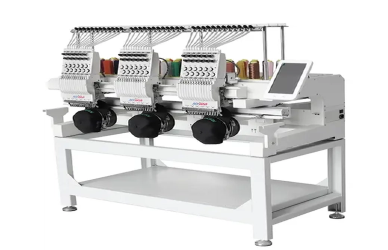
Modern embroidery machines offer customizable settings that allow users to easily adjust for specific projects. Whether it's altering stitch length, speed, or tension, these machines enable fine-tuning to meet the unique requirements of each design. This flexibility makes it easier to personalize items, ensuring the final product matches the customer’s vision.
Advancements in user interfaces have made it easier to create custom embroidery designs. Touchscreen interfaces with intuitive design software allow users to easily upload, adjust, and preview designs before stitching. These interfaces simplify the design process, making it accessible even for beginners, while providing professional-level tools for more experienced users.
The rise of on-demand production is transforming the customization landscape. Modern embroidery machines enable businesses to create personalized products in real-time, meeting the growing demand for customized items such as apparel, gifts, and accessories. This capability allows businesses to cater to individual customer preferences, reduce inventory costs, and quickly respond to market trends.
New trends in embroidery machines focus on compact, portable designs that provide powerful performance in a smaller form. These machines are perfect for home studios or small businesses that have limited space but still need high-quality results. Despite their smaller size, these machines retain all the essential features and capabilities, making them versatile and convenient for users with space constraints.
Modern embroidery machines are designed with space-saving features that don’t compromise on performance. With more efficient layouts and streamlined components, these machines are ideal for environments where space is at a premium. They offer the same capabilities as larger models but in a compact format, allowing users to maximize their workspace while maintaining full functionality for embroidery projects.
Today’s embroidery machines are increasingly integrating with other cutting-edge technologies. Many machines now feature compatibility with 3D printing and AI-based design tools, enhancing the creative possibilities for users. These integrations allow users to experiment with new materials, automate design generation, and improve the overall design process, making it easier to create complex, customized pieces with precision and efficiency.
Automated color-changing systems in embroidery machines save time by eliminating the need for manual thread color switching, reducing errors caused by incorrect color matching or misalignment. This increases productivity, as it cuts down on production interruptions and minimizes downtime due to color change-related issues. By automating this process, users can focus on design optimization and batch production, ensuring smoother operation and more consistent, high-quality embroidery results.
Eco-friendly embroidery machines feature sustainable materials and energy-efficient technologies that reduce environmental impact. Many 2025 models are built with recyclable components and use less power without compromising performance. These machines also focus on zero-waste technology, minimizing fabric waste during the embroidery process. By adopting these machines, businesses can lower their carbon footprint while promoting eco-conscious practices.
Smart technology in embroidery machines includes features like remote control, Wi-Fi connectivity, and monitoring apps, all of which enhance the user experience. These technologies allow users to monitor their machines remotely, adjust settings, and troubleshoot issues in real-time. This level of integration helps improve efficiency, saves time, and ensures better management of the embroidery process, especially for multi-machine setups or large-scale production.
Yes, compact embroidery machines are now designed to offer similar or even improved performance compared to larger models. Innovations in compact designs allow these machines to deliver high-quality stitching, faster production speeds, and versatility while taking up less space. Many newer compact models are equipped with advanced features like smart technology, multiple built-in designs, and energy-efficient systems, making them ideal for small businesses or home studios without compromising performance.
As we look toward the future, embroidery machines in 2025 will continue to evolve, driven by trends like increased automation, eco-friendly features, advanced needle and thread technologies, and smarter, more compact designs. Innovations such as automated threading systems, remote monitoring, and AI-based design integration will make embroidery processes faster, more efficient, and highly customizable. Additionally, the rise of sustainable machines that reduce environmental impact will align with growing consumer demand for eco-conscious products. Embracing these advancements is essential for staying competitive in the embroidery industry. By adopting the latest technologies and trends, businesses can streamline production, enhance creativity, and meet the growing demand for personalized, high-quality embroidered products, ensuring continued success in an increasingly tech-driven market.


